
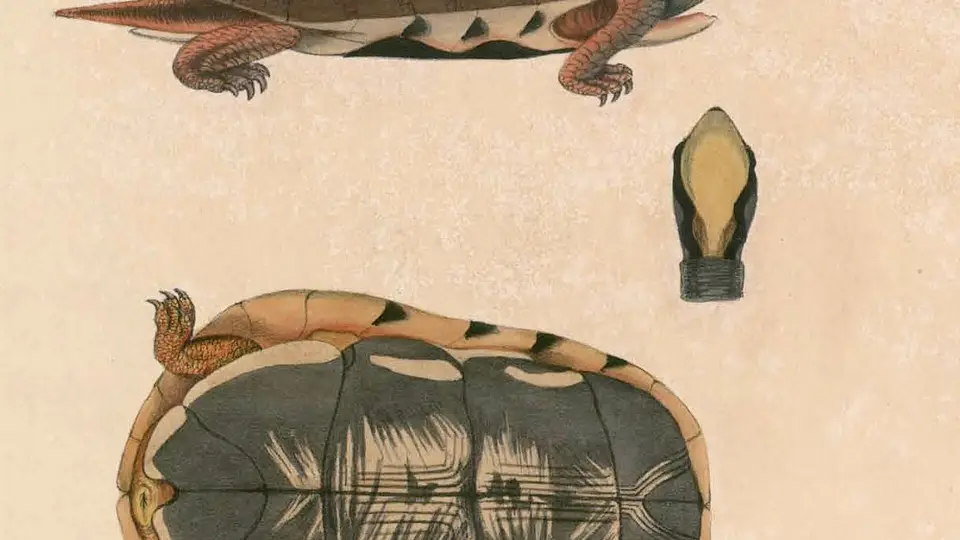
Wildlife
How the illegal wildlife trade works, and how it can be stopped
A plain-language guide to wildlife trafficking: the supply chain, why people buy, the shift to online sales, CITES and Chinese law, and practical steps readers can take.
Independent conservation journalism & learning
GreenEyesChina.org is an independent publication for curious readers, parents, teachers and students. We explain how wildlife is protected, why wetlands and migratory birds matter, and how young people can learn about — and help — the natural world around them.
Explore wildlife conservation Resources for teachers & families
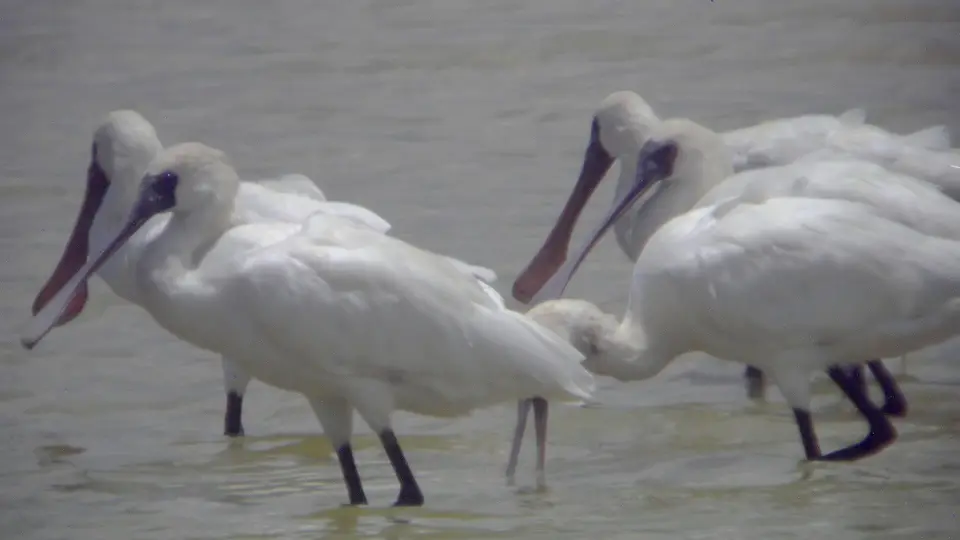
Species, threats and the people working to protect them — from pangolins and porpoises to the shorebirds of the Yellow Sea.
All wildlife articles →Wildlife
A plain-language guide to wildlife trafficking: the supply chain, why people buy, the shift to online sales, CITES and Chinese law, and practical steps readers can take.
Wildlife
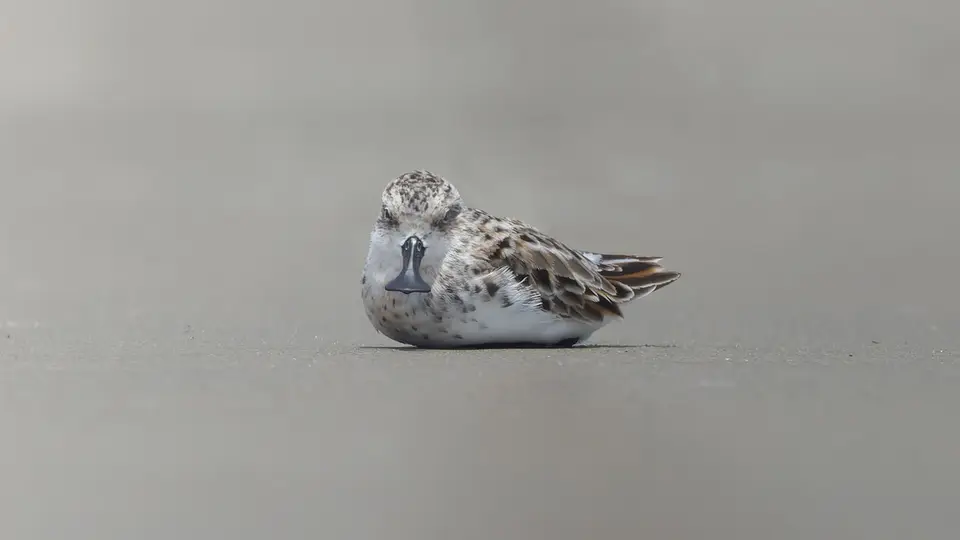
Every year, millions of waterbirds travel between the Arctic and Australasia, relying on China's coast to rest and feed. Meet some of the flyway's rarest travelers and learn how to help them.
Wildlife
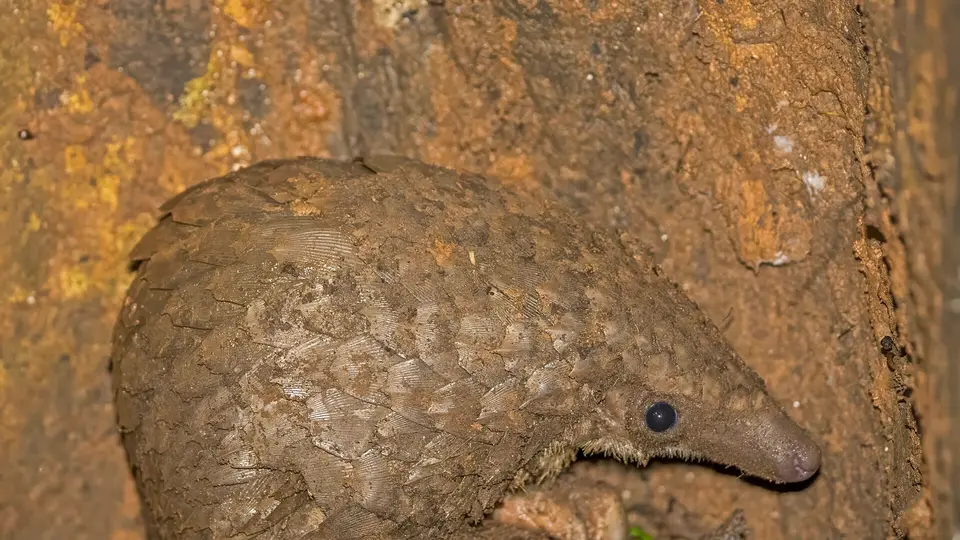
Pangolins are shy, scale-covered mammals that eat ants and termites. All eight species are threatened, and international and Chinese law now give them the highest protection.
Wildlife
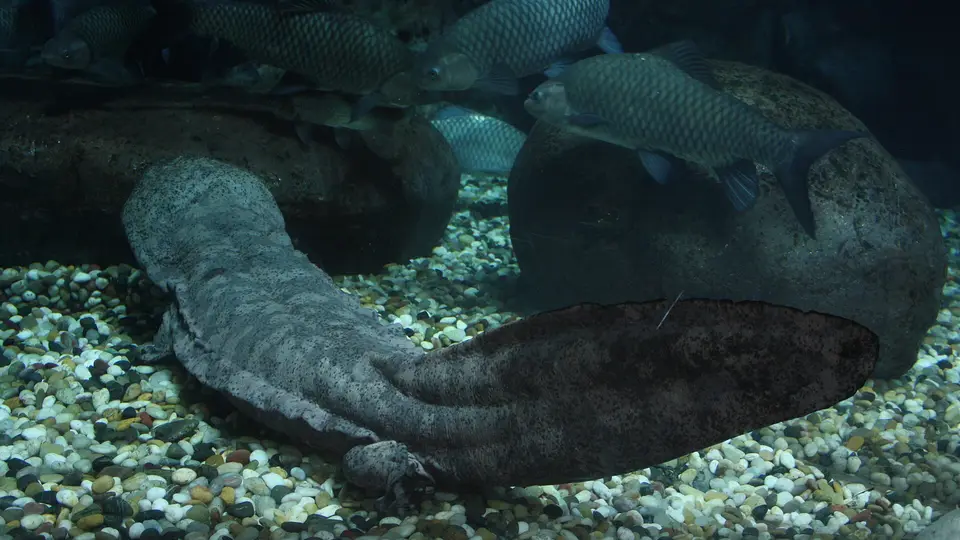
Farms hold large numbers of Chinese giant salamanders, but wild populations have almost vanished. Genetic research now shows there are several species, which changes how they must be protected.
Practical, evidence-informed ideas for parents, teachers and young people who want to learn outdoors and take part.
All education articles →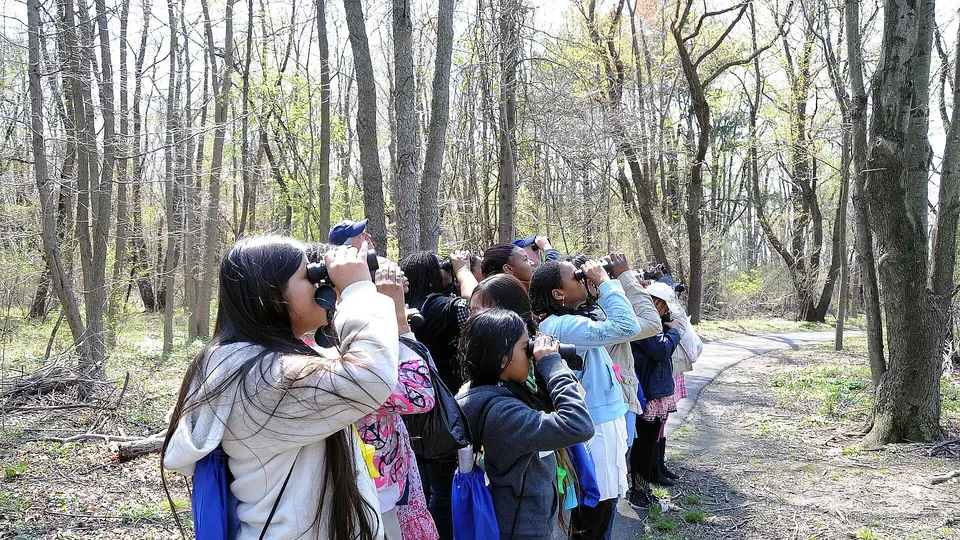
Education
Environmental education helps children notice, understand and care for the world around them. Here is where the idea comes from, how it changes with age, and practical first steps for families and schools.
Education
Six hands-on conservation projects that schools can run with modest resources, from bird counts and biodiversity surveys to waste and energy audits, plus advice on planning, safety and sharing results.
Education
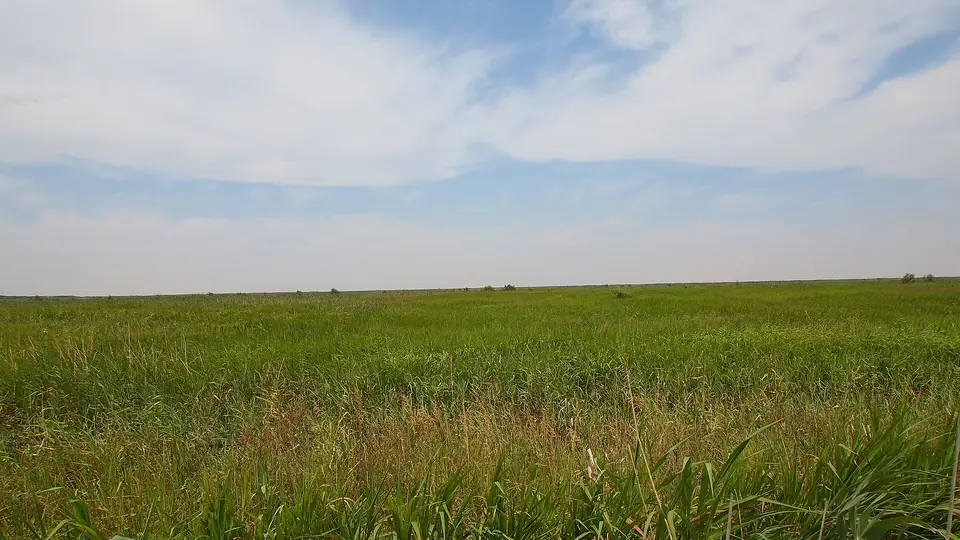
How a school group can monitor the health of a local river or stream: planning and safety, a visual survey, simple water-quality tests, sampling small invertebrates as bioindicators, and recording and sharing results.
Education
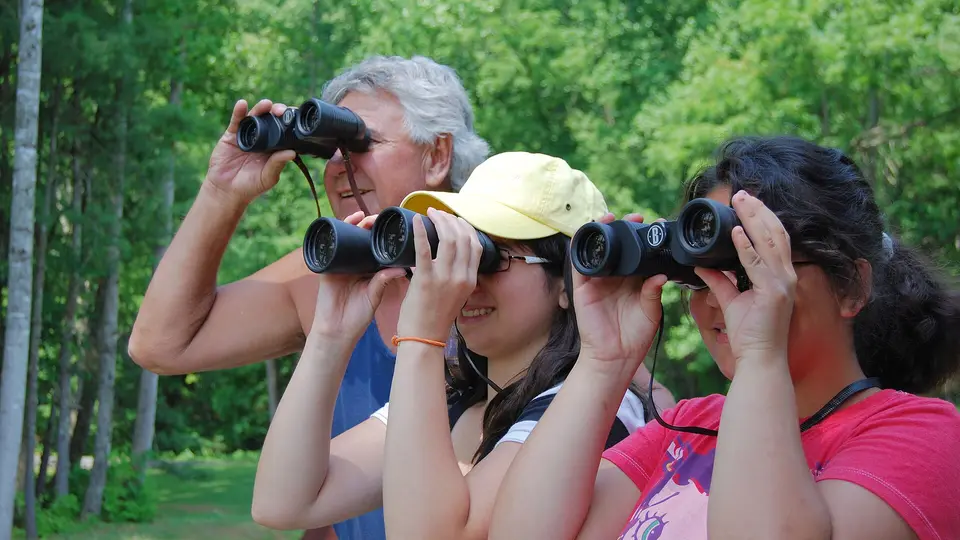
Five practical projects that families can do together at home, with simple ways to measure progress and keep children involved, from a food-waste diary to a balcony wildlife corner.
Context for international readers on laws, protected areas, wetlands and the grassroots movement behind conservation in China.
All china articles →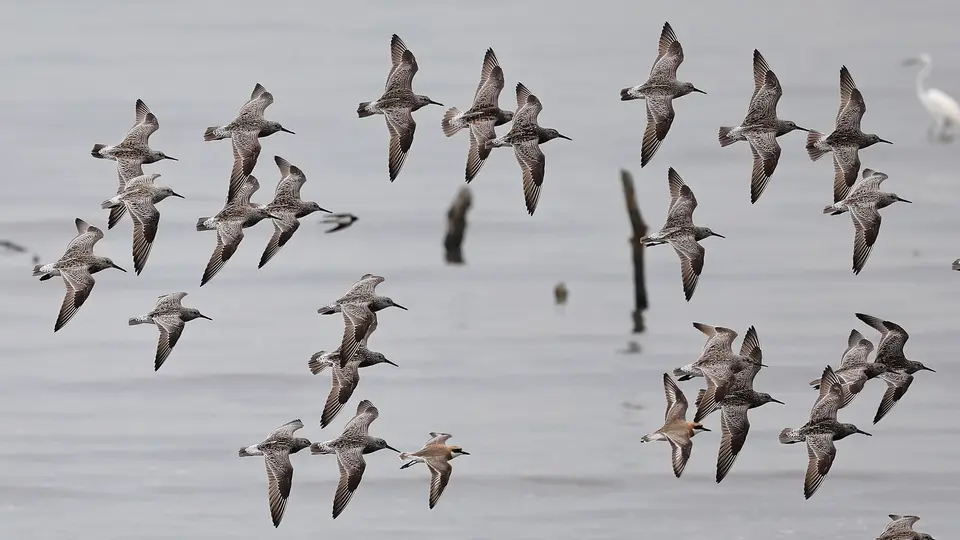
China
The Yellow Sea and Bohai Gulf tidal flats are a vital refueling stop for migratory shorebirds. Reclamation destroyed much of them; since 2018, stricter rules, World Heritage listing and restoration have helped.
China
China's main wildlife law dates from 1988 and was overhauled in 2016 and 2022. This guide explains what it protects, the 2020 ban on eating terrestrial wild animals, the 2021 protected list and how it is enforced.
China
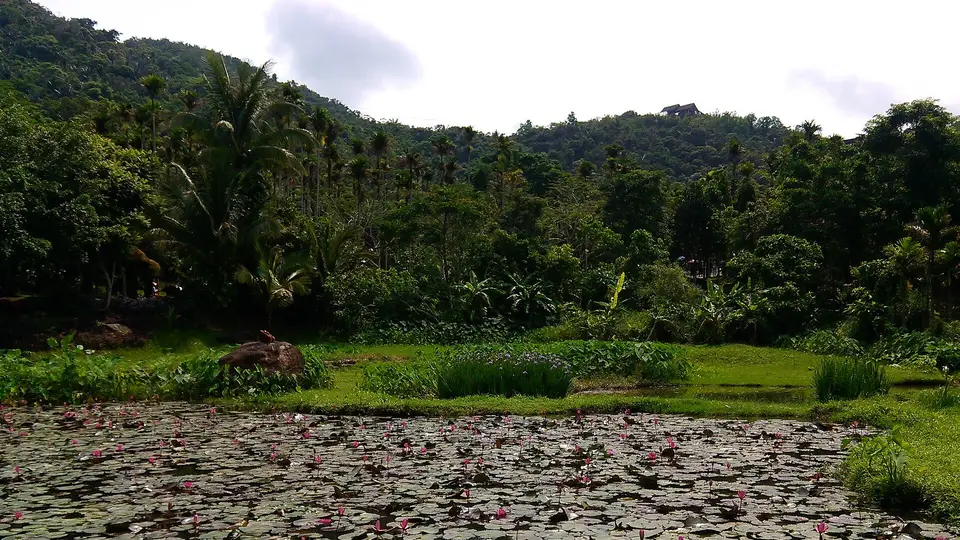
China is reorganizing its protected areas around national parks. This guide explains nature reserves, the first five national parks, ecological red lines, the Wetlands Protection Law and the National Park Law.
China
From Friends of Nature in 1994 to the first environmental public-interest lawsuits in 2015, citizen groups helped shape conservation and environmental education in China. Here is how that history unfolded.
About this domain
From the early 2000s until about 2016, this address was the website of Green Eyes (绿眼睛), a youth-led environmental group from Wenzhou, Zhejiang. GreenEyesChina.org is a new, independent publication and is not affiliated with that organization. Our historical archive summarizes, with citations, what the public record shows about its work.
Read the historical archive → English-language coverage guide →
Reference material: how to read a Red List assessment, a conservation glossary, and a directory of sources we trust.
All resources articles →Resources
A curated list of reliable organizations, databases and news sources on wildlife, wetlands and environmental education, with a one-line note on what each is best used for and tips for judging sources yourself.
Resources
The IUCN Red List is the world's most widely used measure of extinction risk. This guide explains its categories and criteria, shows how to read an assessment, and sets out what the list can and cannot tell you.
Resources
Plain-English definitions of the conservation terms that appear most often in news reports, school projects and on this site, with links to further reading.